

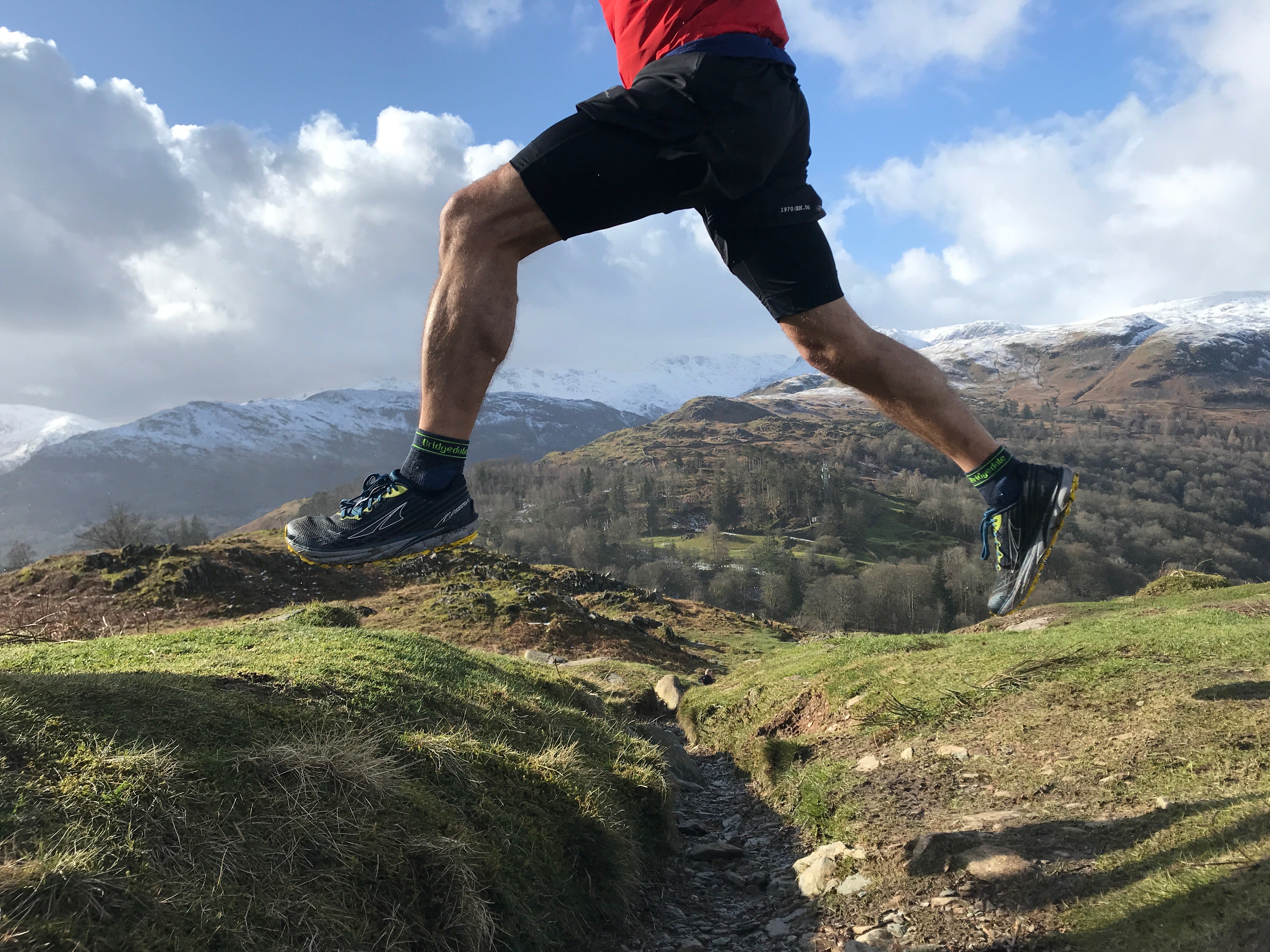
Sign up for a trail race longer than a few kilometres and you'll quickly run into a list of "mandatory kit" — items you're required to carry, whether you use them or not. You’ll realise a good pair of technical socks are a must and a trail changer.
For newer runners it can look like it’s a little overdone. It isn't. Trail races often cover remote, exposed terrain where help can be hours away, and mandatory kit exists so you can look after yourself if something goes wrong.
Every race organiser sets their own list, and it changes depending on distance, altitude and weather. But most lists — from affiliated races to smaller regional trail events — draw from the same core set of items. Here's what's usually required, what depends on conditions, and what's worth carrying even when it isn't compulsory.
What's Almost Always on the List
Across the majority of trail races, certain items appear regardless of distance or location:
-
Waterproof jacket
— fully seam-taped, with a hood -
Waterproof over-trousers
— for extended bad weather, particularly at altitude -
Warm layer
— a long-sleeve base or mid-layer, non-cotton -
First aid kit — typically a bandage, blister plasters, and basic dressings
-
Water
— usually a minimum of 1 litre -
Emergency food
— enough to cover an unplanned delay -
Mobile phone
— charged, with the race director's emergency number saved -
Race bib
— worn and visible at all times
These form the baseline. Longer or more remote races add to this list rather than replace it.

What Depends on the Conditions
Many organisers run a hot weather kit and a cold weather kit alongside the core list, confirmed shortly before race day based on the forecast - always check these.
Cold weather kits typically add a warmer mid-layer, gloves, and a hat that covers the ears. Hot weather kits often add extra electrolyte capacity or sun protection. Altitude and remoteness also push requirements up — races that spend significant time above the treeline tend to mandate a heavier warm layer regardless of the season, since conditions on an exposed ridge can shift fast even in summer.
Easy to Overlook, Often Required
A few items catch newer racers out because they don't feel obviously necessary until you read the small print:
-
Whistle
— for signalling in poor visibility or an emergency -
Emergency or space blanket
— lightweight, but a genuine lifesaver if you're stationary and cold -
Head torch with spare batteries
— required if there's any chance of finishing after dark, even if you're aiming to beat the cut-off

Feet and Legs: The Overlooked Category
Mandatory lists don't always spell out sock requirements directly, but feet come up more than most runners expect. Some races require your legs to be fully covered — either with full-length leggings, or a combination of leggings and socks that closes the gap completely.
It's also why experienced trail runners tend to carry a spare pair of socks even when it isn't mandatory.
Wet feet from a stream crossing or a long spell of rain don't just cause discomfort — over enough distance, they're one of the more common reasons runners end up at a medical tent rather than the finish line. A snug-fitting, moisture-managing sock that is engineered for trail running — is a small addition to your kit that solves a problem most mandatory lists only address indirectly.
Discover which sock you need here.
How to Check Your Race's Specific List
Because requirements vary by organiser, distance and season, always check the official list for your specific race rather than relying on a general guide — including this one. Carry what's needed to keep yourself safe if the weather turns or you're moving slower than planned.

